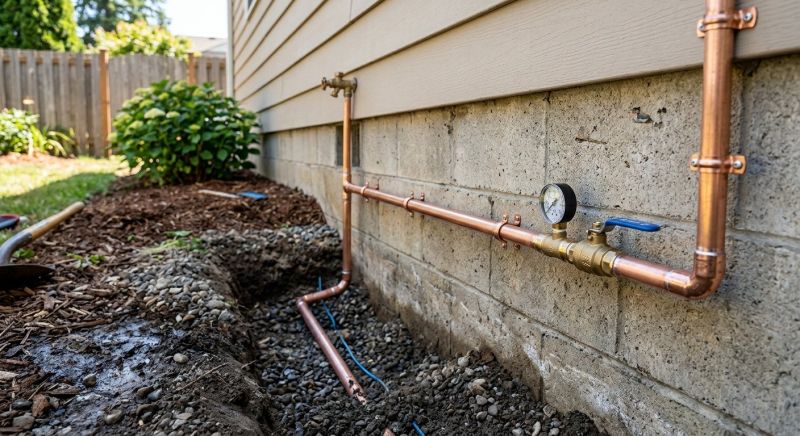
Water Line Replacement in Denver, CO
Water line replacement services involve upgrading or installing new water pipes that supply a property with clean, reliable water. This service covers a variety of projects, including replacing aging or damaged pipes, upgrading to modern materials, or rerouting water lines during home renovations or repairs. Property owners should understand the scope of the work, including the potential for excavation or disruption to outdoor landscaping, as well as the importance of choosing appropriate pipe materials for durability and efficiency.
Before requesting water line replacement, homeowners typically want to know about the condition of existing pipes, signs that replacement may be necessary, and the overall process involved. It’s also helpful to consider the impact on daily routines, potential costs, and any permits or inspections that might be required. Clear communication about the project’s details can help ensure the replacement meets the property's needs and minimizes inconvenience.
Many property owners in Denver, CO look into Water Line Replacement for repairs, replacements, upgrades, and appearance-related improvements.
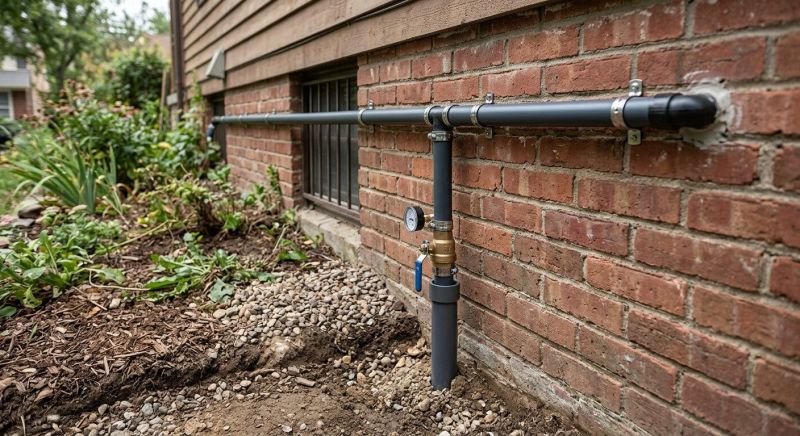
Signs You Need A Water Line Replacement
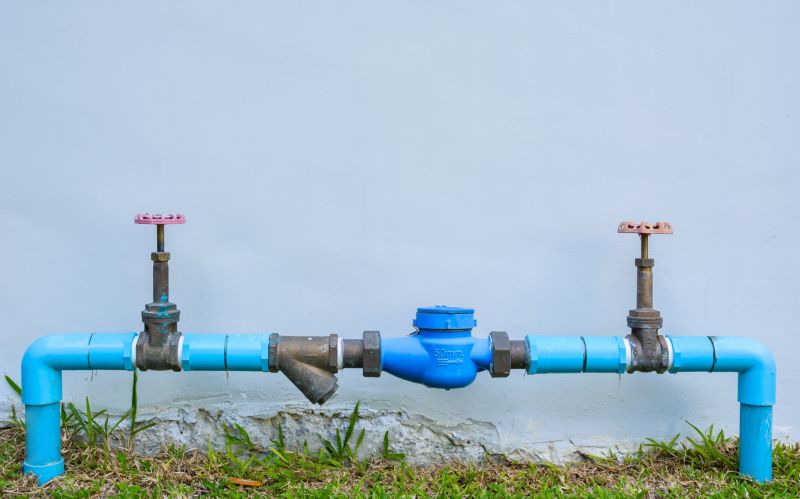
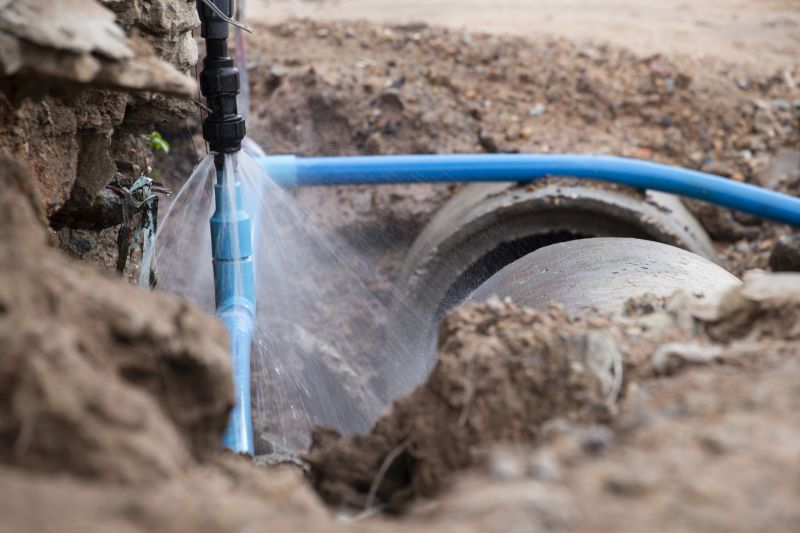
Persistent low water pressure or frequent leaks may indicate a failing water line.
Benefits Of Replacing Your Water Lines
Upgrading aging pipes can improve water quality and reduce the risk of costly repairs.
Common Replacement Methods
Trenchless and traditional replacement options are available depending on property needs and conditions in denver, co.
Water Line Replacement in Denver, CO

Water line replacement services involve upgrading or installing new water pipes that supply a property with clean, reliable water. This service covers a variety of projects, including replacing aging or damaged pipes, upgrading to modern materials, or rerouting water lines during home renovations or repairs. Property owners should understand the scope of the work, including the potential for excavation or disruption to outdoor landscaping, as well as the importance of choosing appropriate pipe materials for durability and efficiency.
Before requesting water line replacement, homeowners typically want to know about the condition of existing pipes, signs that replacement may be necessary, and the overall process involved. It’s also helpful to consider the impact on daily routines, potential costs, and any permits or inspections that might be required. Clear communication about the project’s details can help ensure the replacement meets the property's needs and minimizes inconvenience.
Many property owners in Denver, CO look into Water Line Replacement for repairs, replacements, upgrades, and appearance-related improvements.
Common Water Line Replacement Jobs
Water Line Replacement - removes aging or damaged pipes to ensure reliable water flow.
Residential Water Line Replacement - upgrades outdated or corroded pipes to prevent leaks.
Main Water Line Replacement - replaces the primary pipe bringing water into the property.
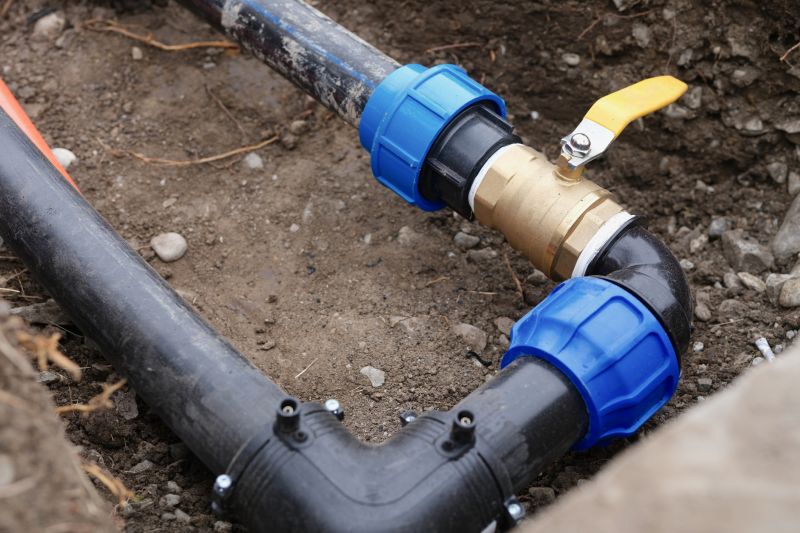
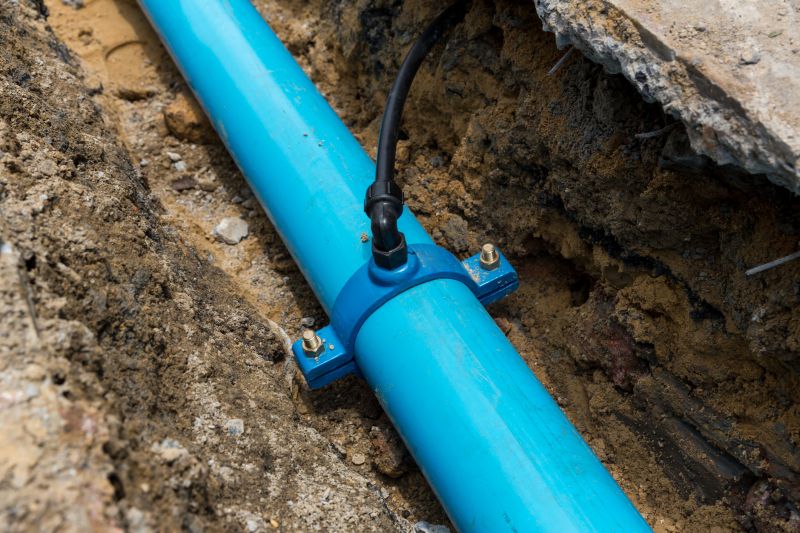
Underground Water Line Replacement - installs new pipes beneath the surface for improved durability.
Emergency Water Line Replacement - addresses sudden leaks or breaks to minimize property damage.
Pipe Material Replacement - switches to modern, long-lasting pipe materials for better performance.
Water Line Replacement Questions
When should water lines be replaced? Water lines typically need replacement if they show signs of frequent leaks, corrosion, or reduced water pressure over time.
What are common signs of a failing water line? Visible water pooling, low water pressure, and discolored water are common indicators of water line issues.
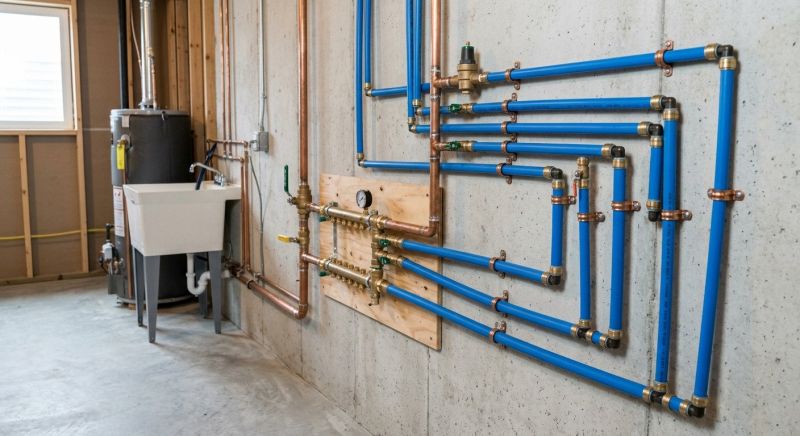
What types of water line materials are used for replacement? Common materials include copper, PEX, and PVC, selected based on property needs and local codes.
How does water line replacement impact property value? Replacing aging or damaged water lines can improve plumbing reliability and may enhance property value.
Request Water Line Replacement in Denver, CO
Use the quote form on this page to share the basics of your project and request more information for the type of work you need.